
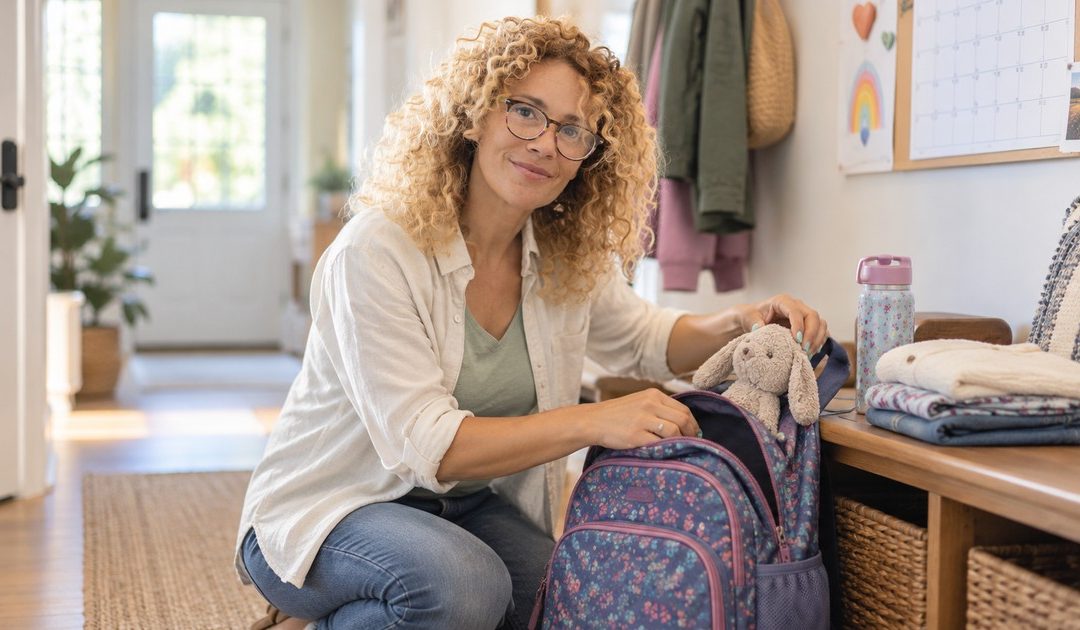
Helping children adjust to two homes often begins with small practical questions: where a favorite blanket goes, who updates the calendar and whether it is okay to miss the parent they have just left.
Aim for belonging and dependable care rather than identical households. Give children age-appropriate choices while adults manage schedules, essential belongings and communication. Safety, development and applicable arrangements should guide the details.
Make transitions easier in ordinary ways
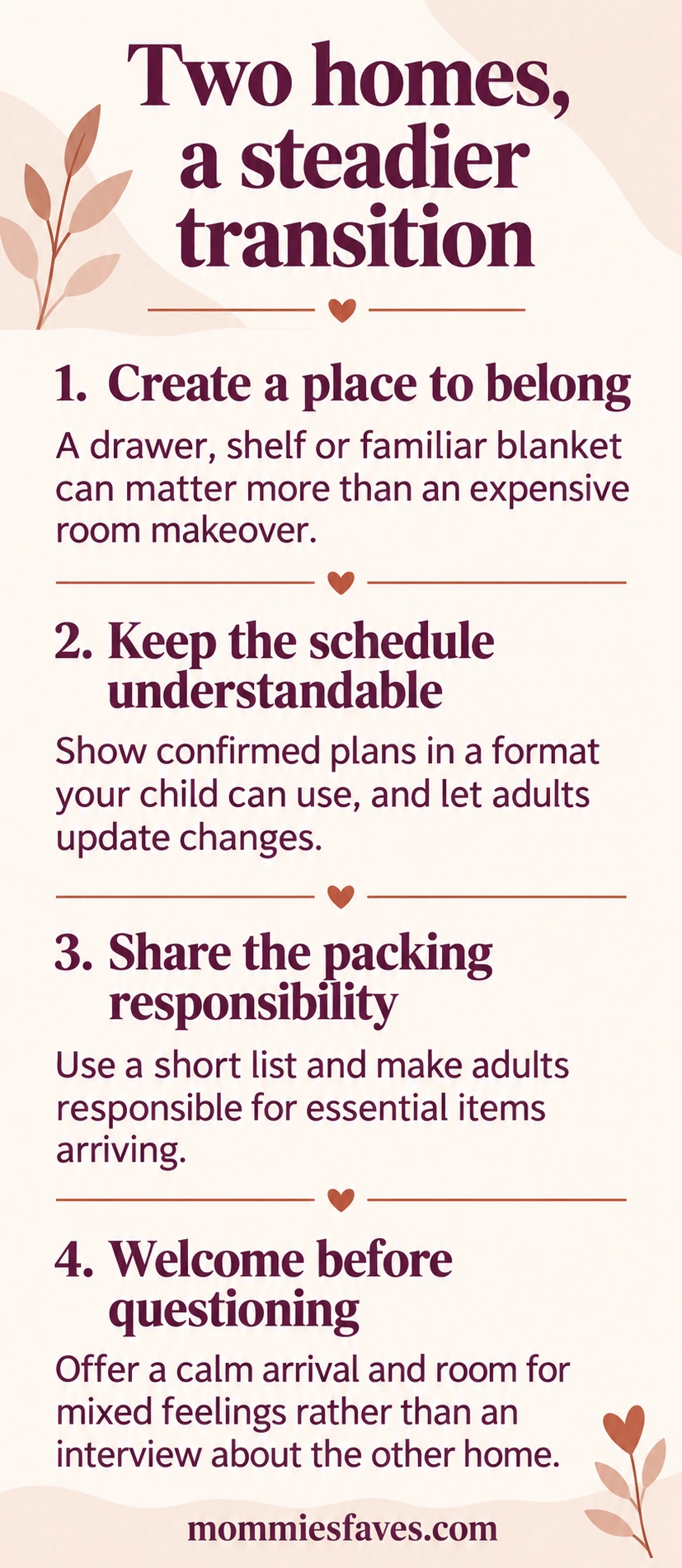
Read the guide as text
- Create a place to belong. A drawer, shelf or familiar blanket can matter more than an expensive room makeover.
- Keep the schedule understandable. Show confirmed plans in a format your child can use, and let adults update changes.
- Share the packing responsibility. Use a short list and make adults responsible for essential items arriving.
- Welcome before questioning. Offer a calm arrival and room for mixed feelings rather than an interview about the other home.
Let the Child Ask Questions
You can ask your child what's confusing about going between the two homes. The child might mention an issue the adults didn't know about, such as not knowing which shoes they should wear or where their homework goes.
Ask them things like, "What's the hardest part for you to get ready?" or "What do you want to be easier for you when you get there?" These are questions that allow your child to give details without requiring them to judge the arrangement.
Guidance from the American Academy of Pediatrics on adjusting to divorce emphasizes supportive care and attention to the child's needs. Use broad guidance alongside your child's actual experience.
Do not assume that an adult inconvenience is the child's biggest problem. A big drive might bother you the most, but the child is worried about missing a toy that they love. Both of these situations can be talked about, but listening helps you to pick the right change that needs to be made.
Help Your Child Feel at Home in Both Places
When children are spending time in two different homes after a separation or divorce, it's important for them to feel like they belong in both places. They don't necessarily need their own bedroom to feel comfortable. Sometimes having a drawer for their clothes, a shelf for their favorite things, a special blanket, or a place to display a few pictures can help them feel welcome and remind them that the space belongs to them, too.
When possible, let your child make a few small decisions about their space. For example, you might ask where they'd like to keep their books or let them pick out a blanket for their bed. These little choices can help them feel more comfortable and familiar with their surroundings without making them responsible for bigger decisions about the living arrangements.
It's also important to think about how you talk about each home. Try not to describe one parent's house as their real home and the other as somewhere they're just visiting if that doesn't reflect their situation. Instead, use words that feel natural for your family while helping your child understand that it's okay to feel connected to both homes.
Remember that making your child feel welcome isn't always about buying expensive gifts or decorating an entire room. Sometimes the little things mean more. Having their favorite snack ready, making sure there's a clean towel waiting for them, or remembering an activity they're excited about can help them feel cared for.
The important thing is showing your child that they're not just a visitor. They have a place in your home, and their everyday needs, feelings, and belongings matter.
Make Their Schedule Easy to Follow
Moving between two homes can sometimes feel confusing for children, especially when schedules or routines change. One thing that might help is keeping a simple calendar that shows where they'll be staying, who will be picking them up, and what activities are planned for the next few days.
For younger children, using pictures or showing only a few days at a time might make the schedule easier to understand. Older children might prefer having access to a shared calendar or a written schedule they can check whenever they have questions.
Just remember that the calendar needs to stay updated. If plans change but the schedule doesn't, it can leave your child feeling even more confused or uncertain. Adults should be responsible for making those updates instead of expecting children to remember every change themselves.
When something does change, try explaining it calmly and directly. For example, you might say, "We're going to pick you up a little later on Thursday, and I'll let you know what the new plan is." Keep the explanation focused on what your child needs to know instead of blaming the other parent or bringing up personal disagreements.
It's also important to give your child opportunities to talk about how the schedule affects them. Maybe they're worried about missing time with friends, getting enough rest, or making it to an activity they enjoy. Listening to their concerns can help you understand what might make things easier.
But remember that listening to your child's feelings doesn't mean making them responsible for deciding where they should live or which parent they should spend time with. Those decisions belong to the adults and should follow any appropriate legal or professional arrangements.
The goal is to help your child feel informed, comfortable, and supported without putting them in the middle of adult decisions. When children understand what to expect and know that the adults are handling the plans, moving between homes can feel a little less overwhelming.
Dealing with Packing to Make it Less Stressful.
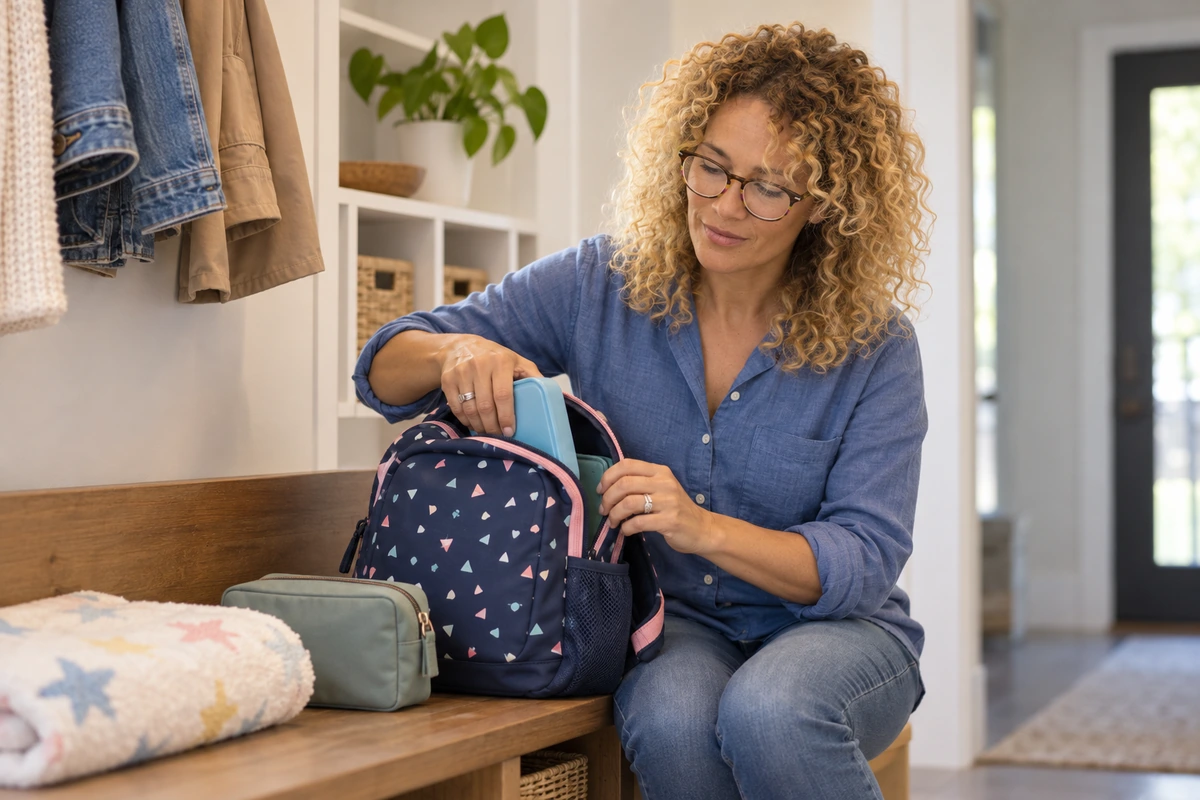
Decide with your child which items need to go and which ones can stay. If you can, keep the basics, like toiletries, clothing, and school supplies, in both homes to help them not forget the items they need. Of course, having the same kind of purchases isn't always needed.
Create a short packing list that fits the child's age. You could include a picture of glasses, homework, medicines, or an object they love. The adults are the ones responsible for making sure the items get where they need to be.
If the child forgets an item, don't make it evidence that the child is careless or that they're being disloyal. A missing item is just a problem that needs to be taken care of. Problems that are repeated might mean that the system needs some kind of adjustment.
If the resources are limited, put what is needed most on the list. Adding an extra toothbrush might help more than adding more clothes. Ask the community or school services to give support if needed, and don't promise that the assistance is going to be available or make the child feel responsible for the cost.
Help the Child to Feel Comfortable
Some objects are important because they travel with the child, such as a toy, book, or blanket. If there's consistency and the arrangements are safe and legal, don't turn these items into a contest about ownership.
The child shouldn't have to defend themselves for loving a gift from either household. They also shouldn't have to carry expensive objects that cause worry or conflict to either home.
Talk about concerns with the adults. If a device, instrument, or medical item needs special care, agree on a plan instead of putting the child in the middle of an argument.
Ask the child what helps them feel comfortable. They might want the object with them or want a separate set of things for each place. Their preference can tell you about the arrangement without it becoming an obligation they have to manage perfectly. Comfort is meant to be intentional and isn't a test of how well they'll adapt to the other home.
Creating an Arrival Routine
An arrival routine allows the child to go from one home to the other. It can involve a drink, a snack, time outside, reading, or an activity. Pick something that you repeat instead of some big event.
Allow the child to have their own responses. One child might want to talk right away, and another might need space before having a conversation. Ask if they would like company, quietness, or help putting their toys away.
Don't start asking a bunch of questions about the other home. Just tell them that you're glad to see them and give them time to settle in. A good routine means that you are being flexible. If the child comes home and they are upset, respond to their need instead of having to follow a certain routine.
Keeping Routines Clear
Meals, bedtime, medicine, and morning preparation time might be easier when the children know what happens in both homes. Having consistency in both homes can help with practical and safety concerns, but the homes being the same isn’t always possible.
The American Academy of Pediatrics discusses sleep problems after separation or divorce. Persistent sleep difficulties deserve attention rather than being treated only as misbehavior.
Talk to your child about the routine in your home. Tell them, for example, “We read after we put our pajamas on here,” and don’t say “The other house is doing it wrong.” Talking negatively can make the child feel like they are caught between both parents.
If the child has continuous sleep problems, talk about them with the pediatrician or doctor. Share the information through adult channels, and don't ask the child to look at the other home's bedtime routine to prove that it is what caused them to have sleeping issues.
Allow for the Child to Have Feelings
A child can like being with you and still miss the other parent at the same time. They can be excited to get home and then sad about leaving. These feelings don't have to be seen as the child rating either of the homes.
You can say to your child, "You're allowed to miss someone and still have fun here." Don't make them excited or wait for their excitement to see that the arrangement is working.
When it's safe and appropriate, ask how the child can manage contact with the other parent. The timing and method should fit the child's needs and the arrangements, rather than interrupting each activity or being used as a tool for monitoring.
You can let the child choose not to talk right away after a call or after they go to the other home. Feelings might need time. Offer them companionship without asking about what they did. The child shouldn't have to protect the adult from knowing that another relationship still matters to them.
Explain household differences without competition
Homes have different sizes, items, rules, food, and activities. Don't try to consistently bring gifts or treats to make up for or put down the other place. Competition can make the transitions even more emotional.
Talk about the differences, such as how it works there and what we do here. This is a regular conversation about the differences, not a reason to ignore unsafe behavior.
Ask if the rules are clear and responsible instead of whether they match the other household. A child might be able to deal with different routines when the expectations are understandable, and the adults are being consistent.
If a difference affects health, education, or safety, address it through appropriate adult or professional channels. The child should not have to enforce an agreement or persuade one parent to follow the other's instructions. Their role is to be cared for, not to coordinate the households.
Keep Important Communication Between the Adults
When parents are sharing responsibilities after a separation or divorce, it's important to make sure that information about their children is communicated directly between the adults. Things like school notices, medical appointments, activity schedules, and changes to regular plans shouldn't depend on a child remembering to pass along a message or bring home a piece of paper.
Try finding a way to communicate that works for both parents while respecting any safety concerns, privacy needs, or legal arrangements. Keep messages simple and focused on what your child needs instead of using everyday updates as an opportunity to bring up personal disagreements.
For example, you might send a message saying, "The school changed Friday's pickup location to the main entrance. I've attached the notice so you have the information." This makes sure both parents understand what's happening without expecting the child to explain the change when they're moving between homes.
But if communicating directly with the other parent isn't safe or possible, it might help to get professional advice about other arrangements. Depending on the situation, a structured communication system or an appropriate third party might be useful. But remember that one particular app or communication method won't automatically solve every problem.
The important thing is making sure that adults remain responsible for sharing information, remembering important details, and working through disagreements. Children shouldn't feel like they have to become messengers or solve problems between their parents.
Pay Attention When Your Child Struggles With Going Between Homes
Sometimes children have a difficult time moving between their parents' homes, especially after a separation or divorce. They might be tired, miss the parent they're leaving, feel nervous about something happening that day, or simply have trouble adjusting to a different routine. But sometimes their feelings might be connected to something more serious, so it's important not to make assumptions about what's causing their distress.
Instead of immediately deciding that their reaction is normal or blaming the other parent, try asking gentle questions that give your child an opportunity to explain how they're feeling. You might say, "Is there something about going today that's making you uncomfortable?" Then give them time to answer without suggesting what you think the problem might be.
If your child shares something that makes you concerned about their safety or well-being, take it seriously. Depending on what's happening, you might need guidance from a healthcare professional, child protection service, legal professional, or emergency services. Avoid repeatedly questioning your child, telling them what to say, or asking them to collect proof of something. You also shouldn't promise to keep something secret if you might need to share it with someone who can help keep them safe.
For more common adjustment difficulties, sometimes making small changes can help. Maybe your child needs a little more time to get ready, help packing their belongings, or a quieter place to meet the other parent. Even changing the timing of a transition, when permitted by existing arrangements, might make the experience easier.
If bigger changes are needed, work through the appropriate arrangements between the adults instead of expecting your child to figure things out.
Remember that just because parents don't always agree about what's causing a child's distress doesn't mean those feelings should be ignored. Listening, showing patience, and taking their concerns seriously can help children feel supported while everyone works toward making transitions a little easier.
Small Changes to Get Rid of Stress
For an illustrative example, imagine a child repeatedly arriving at school without a book. Firm reminders do not solve the packing problem, and each transition begins with criticism.
They look at the routine, and the book is often left beside a bed even after it's been read. An adult adds it to the school bag before they leave for the morning and checks the bag at some point.
Even though the child still participates in the packing, the adult treats packing as a shared practical task rather than a test of independence. The conversation becomes less tense.
The lesson learned isn't that the child doesn't need responsibilities, but that the responsibilities have to fit their development and the difficulty of the situation. A mistake that keeps getting repeated can show that something's not working, and changing the system might help more than demanding something that keeps failing.
Adjusting Through Life
Look beyond whether the child looks happy when they get handed over. Pay attention to sleep, appetite, school participation, friends, and whether the child is able to express their needs without worrying about how the adults will react.
If things continue to be difficult or get worse, get professional help. A pediatrician, school team, or child mental health professional might help identify the needs and options available.
Ask the child what would make their mornings easier, and then see what changes. Even making small improvements can help without showing that every situation has been solved.
Helping a child feel like they belong in two homes is an ongoing process that involves listening, and it requires the adults to be prepared and responsible. You don't have to have the same exact households or perfect emotions, but you need to make arrangements that can be understood and where questions can be asked. The adults need to be willing to adjust, and the details need to be worked out while keeping the safety of the child in view.
Build a two-home transition checklist
Choose one area to help adults prepare the next transition. Adapt the list to the child’s actual needs and arrangements.
Follow applicable parenting arrangements and safety guidance. This checklist does not decide custody or contact.
Use the questions and examples in the article above; the draft builder needs JavaScript.
15 questions readers ask
1. Do both homes need the same rules?
No. Clear and dependable expectations matter more than identical households. Health and safety needs still require appropriate coordination.
2. Does my child need a separate bedroom?
Not necessarily. A safe sleeping arrangement and a reliable place for personal belongings can help them feel included.
3. Should I buy duplicates of everything?
No. Prioritize essential items where resources allow, and plan how necessary belongings travel. Avoid making cost the child's responsibility.
4. Who should update the calendar?
Adults should keep confirmed arrangements current. Children can use the schedule without becoming responsible for managing changes.
5. Can my child help pack?
Yes, in an age-appropriate way. Adults should still ensure essential items, including medication and school needs, are handled properly.
6. What if a favorite object is left behind?
Treat it as a practical problem, not proof of carelessness or disloyalty. Review the packing system if it keeps happening.
7. What helps on arrival?
A warm welcome, drink, snack or familiar activity may help. Ask whether the child wants company or quiet before asking many questions.
8. Is missing the other parent a rejection of me?
No. A child can enjoy your company and miss someone else. Make room for mixed feelings without asking them to reassure you.
9. Should I ask about everything at the other home?
Avoid turning conversation into surveillance. Listen to the child's own experiences without recruiting them to report on another adult.
10. Can we arrange calls with the other parent?
Where safe and appropriate, choose contact that fits the child's needs and applicable arrangements. It should not become a monitoring tool.
11. What if my child resists a transition?
Listen without assuming one cause. Tiredness, uncertainty or more serious concerns may be involved; seek suitable guidance when needed.
12. What if my child discloses harm?
Listen calmly without leading questions or asking them to gather proof. Seek appropriate child-safety, professional or emergency support.
13. Can one app solve parenting communication?
No. Tools can help some arrangements but must fit safety, privacy and legal needs. Adults remain responsible for communication.
14. When should sleep difficulties get more attention?
Speak with a pediatrician or suitable professional if difficulties persist, worsen or concern you. Do not treat every sleep problem as misbehavior.
15. What should we review as life changes?
Consider sleep, school, friendships, belongings and whether the child can express needs freely. Adjust appropriate arrangements through adult channels.